By Esther Torelló
There are figures whose influence extends far beyond the projects they sign. Professionals who not only transform spaces, but help transform an entire discipline. Mark Major belongs to that exceptional category.
The news of his stepping down as Senior Partner of Speirs Major Light Architecture, after four decades of professional practice, inevitably invites reflection. Not so much to revisit an impressive portfolio of work—remarkable though it undoubtedly is—but to recognise his immense contribution to the development of the lighting design profession itself. If today we speak of architectural lighting as a discipline capable of engaging with architecture, landscape, urbanism and heritage through sensitivity and critical thinking, it is thanks in no small part to people like him.
A Light Architect
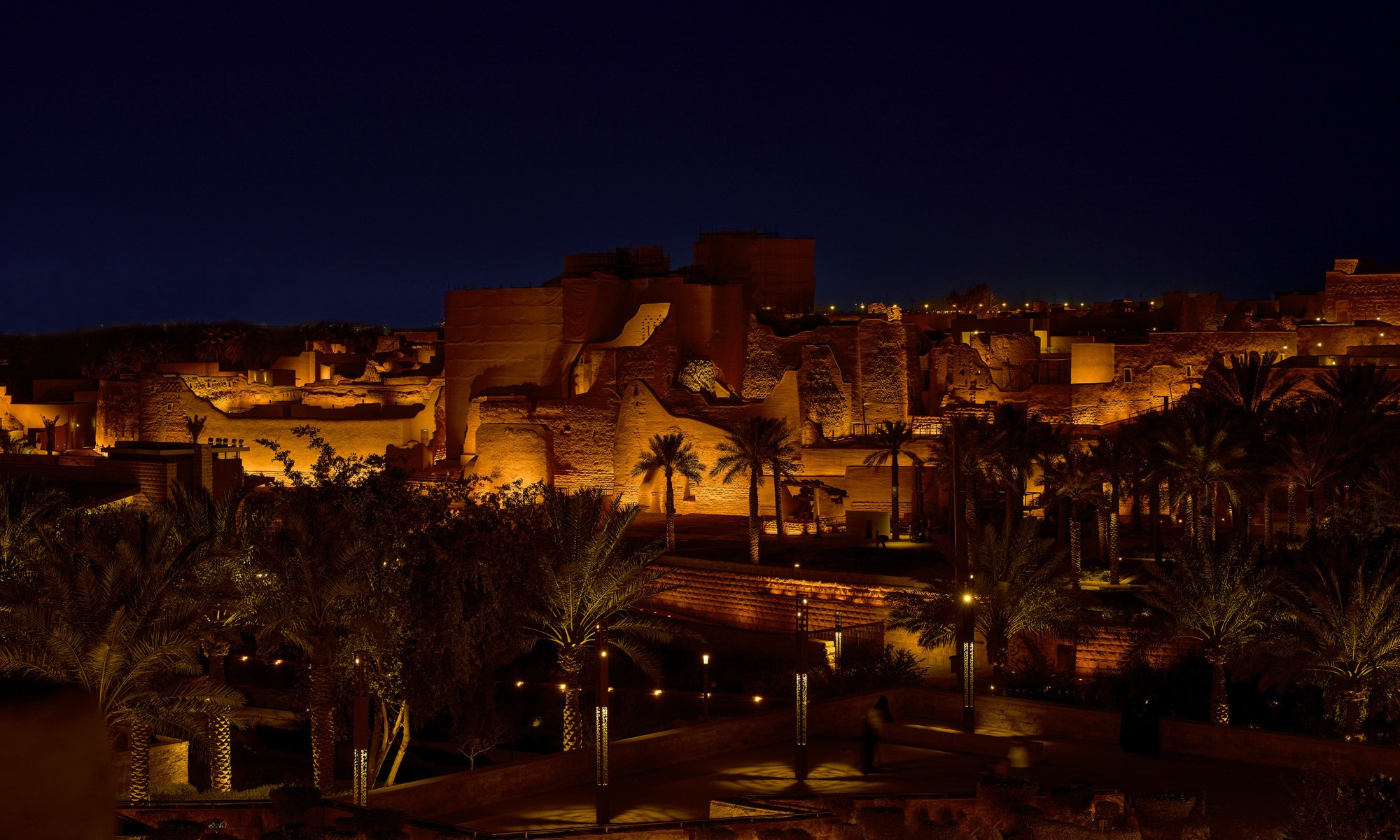
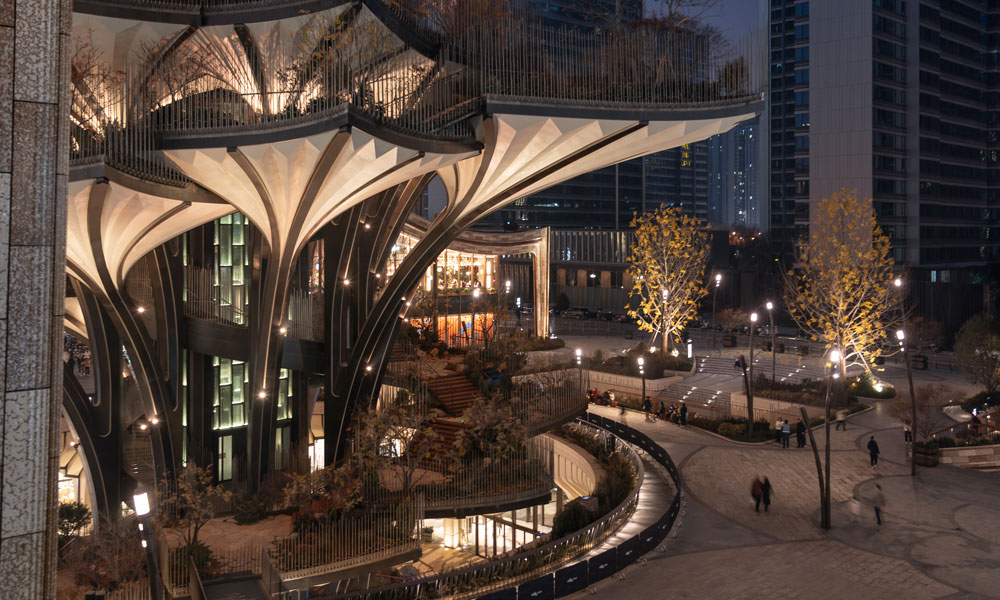
I have always found it revealing that Mark Major chose to describe himself as a “Light Architect.” This is not merely a question of terminology. It is a statement of intent. Unlike those who regard lighting as an additional layer applied to a project, Major has consistently championed a deeply integrated vision of light as a material for shaping space. A tool capable of moulding experience, creating meaning and revealing the identity of places. That vision can be seen in some of the most influential projects of recent decades. From the Millennium Dome to Battersea Power Station, via Heathrow Terminal 5, the Royal Festival Hall, King’s Cross, Broadgate and the re-lighting of both St Paul’s Cathedral and Westminster Abbey. Yet reducing his legacy to a succession of projects would only scratch the surface.
In Defence of Darkness
If there is one quality that has distinguished Mark Major’s work, it is his understanding that designing with light also means designing with darkness. Long before light pollution and the protection of the night sky became central themes in professional discourse, he was already advocating a sensitive and responsible approach to lighting the public realm. This position was not driven by trends or sustainability agendas, but by a profound understanding of human perception. His projects have demonstrated that emotion often emerges when light is used with restraint and precision—when space is left for contrast, atmosphere and personal experience. At a time when technology seemed to be pushing us towards ever brighter and more ubiquitous illumination, Major was one of the voices reminding us of the importance of designing through the careful balance of light and shadow.
Beyond the Projects
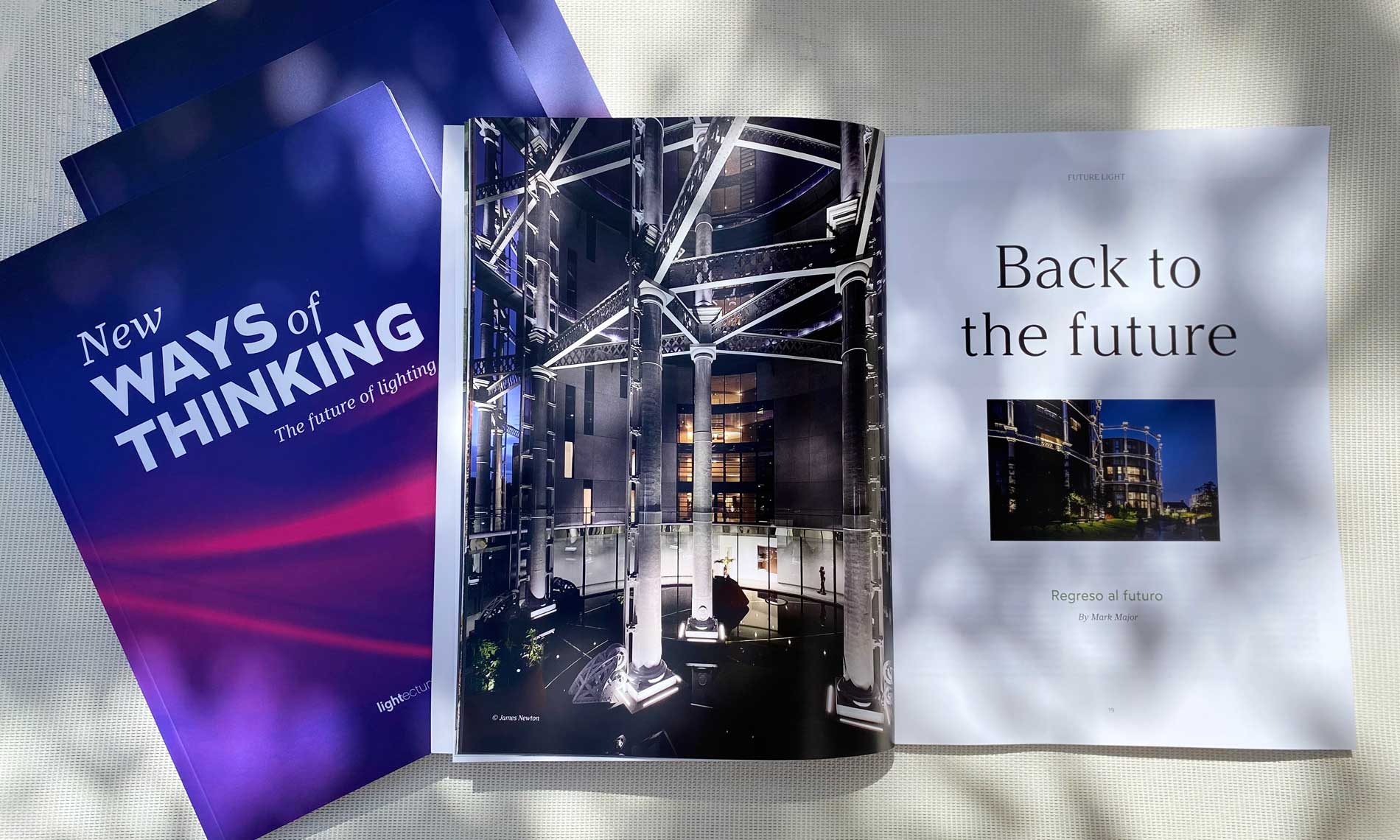
Those of us who have had the opportunity to hear him speak at conferences, lectures or professional gatherings know that a significant part of his legacy lies beyond the built work itself. It resides in conversations, articles, lectures, mentorship and the generosity with which he has always shared knowledge. His book Made of Light – The Art of Light and Architecture, co-authored with Jonathan Speirs, remains a key reference for several generations of designers. Likewise, projects such as The Third Age of Light reflected his enduring commitment to exploring new ways of thinking about the future of our cities and our profession. We often speak of leadership in business terms. In Mark Major’s case, leadership has been about opening new paths and helping others to follow them.
The Legacy of Speirs & Major
It is impossible to speak of Mark Major without also remembering Jonathan Speirs, with whom he founded the practice in 1996 and shared one of the most influential creative partnerships in the recent history of lighting design. Together they helped elevate the discipline to a new level, demonstrating that light could occupy a central place within contemporary architectural discourse. The subsequent evolution of the practice—now known as Speirs Major Light Architecture—has kept that vision alive, establishing itself as one of the most respected studios in the international lighting design landscape. Under the leadership of Keith Bradshaw, together with Clementine Fletcher-Smith and Carrie Donahue Bremner, that legacy is certain to continue evolving.
Thank You Mark
Professions mature when individuals emerge who are capable of expanding their boundaries. Mark Major has been one of those individuals. His influence can be seen today in countless projects, but also in the way many of us understand light—not as a technical resource, but as a cultural medium capable of transforming human experience. For four decades he has illuminated airports, squares, bridges, cathedrals and entire cities. Yet perhaps his most valuable contribution has been something else: helping us understand that good lighting is not about making a place visible, but about making it meaningful. For that reason, although he is stepping away from the day-to-day management of Speirs Major Light Architecture, it is difficult to imagine him ever truly leaving the profession behind.
Some careers come to an end, but great legacies endure. Mark Major’s will remain alive in the collective memory of our profession and will continue to illuminate the path of those who understand light as a tool for transforming human experience.